


Not all roads lead to Rome, but at our clinic, they all lead to a beautifully aligned smile. We’ll explain, step by step, what orthodontic treatment with us involves: from the initial assessment right through to the day we remove your braces. And if you’d like to prepare yourself before you come, on our A guide to starting your orthodontic treatment You’ll find practical tips on how to get the most out of it from day one.

Crooked teeth? No worries. The first step is to carry out a “Study”. This consists of taking a series of records and photographs of your mouth, which will give us all the information necessary for our orthodontist to plan your treatment in the best possible way and guarantee an optimum result.
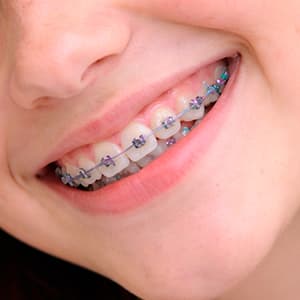
Once the assessment is complete, we’ll get straight down to work! Whether you’re undergoing conventional orthodontic treatment or invisible braces, you’ll need to visit the clinic every month for the necessary check-ups and adjustments that will gradually lead us to the perfect result.

It is very important that, at the end of your treatment, we place an adequate retention. This will prevent your teeth from moving again in the future, so you can maintain your perfect smile, no matter how long it takes.

After the treatment is completed, we carry out regular check-ups to ensure that the teeth remain in their correct position. This monitoring allows us to detect any changes in time, adjust the retainers if necessary and ensure stable and long-lasting results.
Orthodontics is versatile and adapts to the needs of each patient. Would you like to know some of the most popular types?
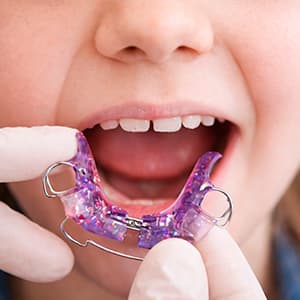
These appliances work on both the teeth and the growth of the jaws, which is why they are particularly suitable for children and teenagers. Starting treatment early can make subsequent treatment much simpler.
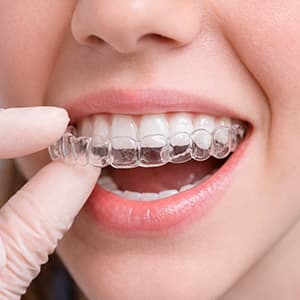
As the name suggests, this is the most aesthetically pleasing option. It involves a treatment using clear aligners which can also be removed… They are comfortable, attractive and effective. This is undoubtedly the place for your invisible orthodontic treatment in Málaga.
The classic we all know. At Vidarte Clinics, we use high quality materials to guarantee the fastest and most effective treatment possible.
Request a free first appointment
Orthodontics is the dental speciality that corrects the position of your teeth and bite to improve the function and aesthetics of your smile. It is not just about braces; it is a planned treatment that can be performed on both children and adults to promote a healthier and more balanced mouth.
This is the branch of dentistry that corrects crooked or misaligned teeth and jaw relationships, improving the functionality of the mouth and the aesthetics of the smile.
There is no single age: you can start treatment in childhood, adolescence or even adulthood, depending on individual needs.
It is normal to feel some discomfort or pressure when putting the braces on or after an adjustment, but this is usually temporary and manageable with simple care.
The duration varies from case to case, but usually ranges from 12 to 24 months depending on the complexity and cooperation of the patient.