


There are several types of dental prostheses, each designed to address different oral needs and conditions. Below, we describe the main types of dentures and when their use is recommended.
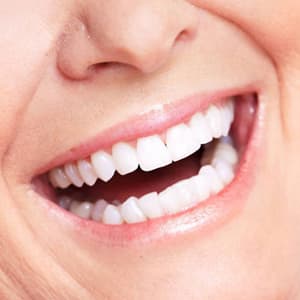
Complete dentures are removable prostheses that replace all the teeth in a dental arch (either the mandible or the maxilla).
Recommendation: They are recommended when the patient has lost all teeth in a jaw or maxilla. They are an affordable option to restore a complete smile.
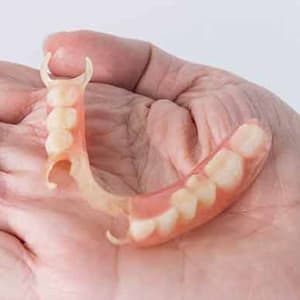
These prostheses replace only a few teeth in a dental arch. They are attached to the surrounding natural teeth using clasps or other attachment methods.
Recommendation: They are ideal when only a few teeth are missing and the surrounding natural teeth are strong enough to support the prosthesis.
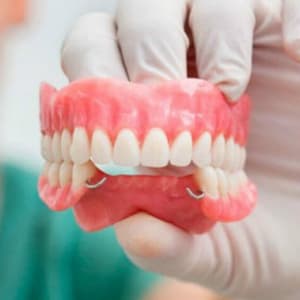
These prostheses can be removed and replaced in the mouth. They can be full or partial, and are attached using different methods, such as clips or connectors.
Recommendation: They are used when tooth replacements are needed but a fixed solution is not possible or desirable, or when the patient's oral health is unstable.
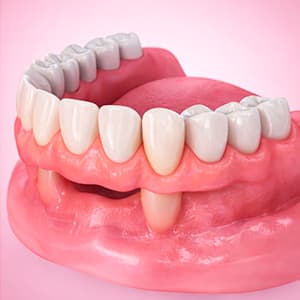
Undoubtedly, the most comfortable and effective option for replacing lost teeth is by means of fixed prostheses. From the placement of a single implant to the rehabilitation of complete arches using screw-retained prostheses.
Recommendation: Crowns are used to strengthen damaged teeth, while bridges are an option when one or more adjacent teeth in a row are missing.
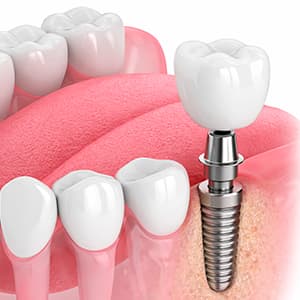
The dental implants are pieces of zirconia that are inserted into the jaw bone and act as artificial roots to support artificial teeth (crowns) or complete dentures.
Recommendation: Implants are ideal for people with good oral health and sufficient jawbone. They are the most durable and natural option for replacing missing teeth.
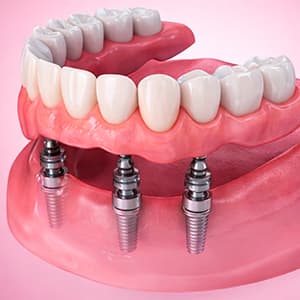
This type of prosthesis combines dental implants with a prosthesis that can be fixed or removable. It is supported by several implants placed in the bone, which significantly improves stability, functionality and comfort compared to traditional dentures.
Recommendation:
They are recommended for patients who have lost most of their teeth and are looking for a more stable solution than a conventional removable prosthesis, improving chewing, aesthetics and safety when eating and speaking.
Restore functionality, aesthetics and confidence in your smile with a solution that improves your oral health and your quality of life from day one.

Missing teeth affect chewing, digestion and can lead to tooth displacement, bone loss and jaw joint problems. Dentures help to maintain the balance of the mouth and prevent long-term complications.

Tooth loss alters the shape of the face, deepens the lips and ages the expression. Dental prostheses restore facial harmony and restore a natural, proportionate smile.

Smiling without complexes has a direct influence on personal confidence and social relationships. Regaining lost teeth improves confidence when speaking, laughing and interacting with others.

Being able to eat normally, speak properly and not feel constant discomfort has a direct impact on everyday life. Dentures make it possible to enjoy eating and a more comfortable and active life again.
Choosing the right dental prosthesis is key to recovering functionality, aesthetics and confidence when smiling. In this section we answer the most common questions about the different types of dental prostheses and their main benefits, in a clear and simple way.
There are full dentures, partial dentures, removable dentures, fixed dentures, dental implants and implant-supported dentures, each designed for different needs and degrees of tooth loss.
The removable one can be taken off and put on, while the fixed one is cemented or screwed in the mouth, offering greater comfort, stability and a natural feel.
They are recommended when there is good oral health and sufficient bone, as they are the most durable and natural option for replacing missing teeth.
They improve chewing, facial aesthetics, oral health and confidence, allowing you to regain quality of life from day one.