


Find out about the solutions for placing a dental implant without bone. Advanced and personalised treatments at Vidarte Clinics in Malaga.
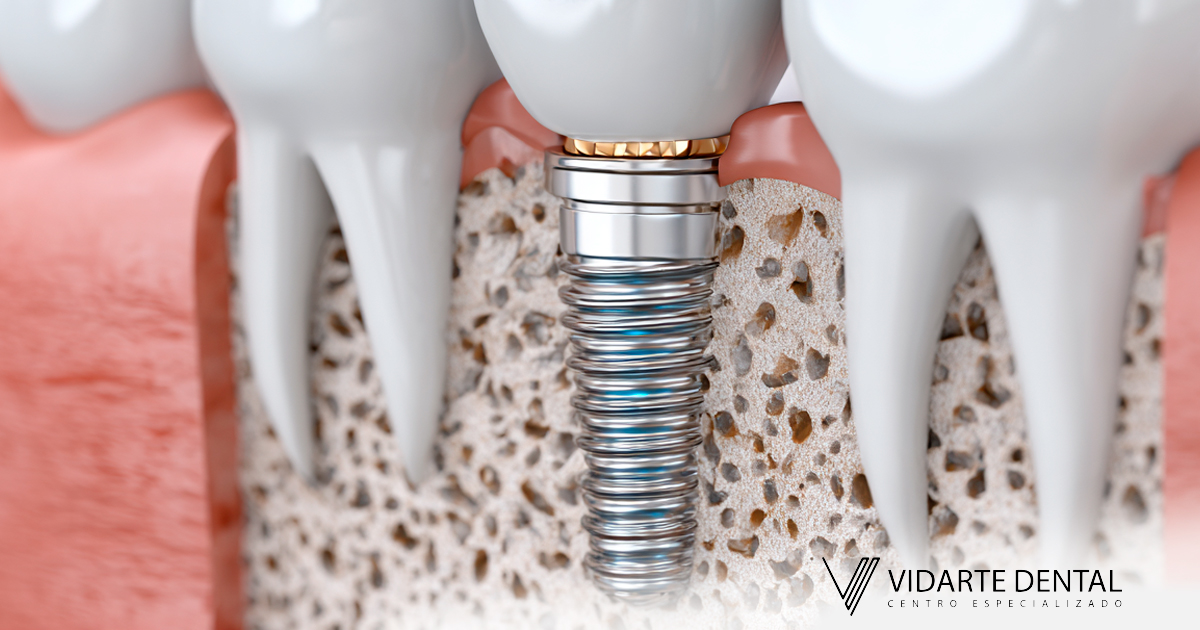
When it comes to replacing a missing or damaged tooth with a dental implant, it is essential to have sufficient bone in the jaw to ensure the success of the procedure. But is it possible to carry out a boneless dental implant? What happens if you don’t have enough bone for an implant? In this article, we explore this situation and the available solutions.
Before going into possible solutions, it is essential to understand why bone is crucial for the dental implants. The dental implants are inserted into the jaw bone to provide a solid and stable base for the dental prosthesis. Without sufficient bone, the dental implant cannot fuse properly, which can result in complications.
When there is a lack of bone in the area where a dental implant is to be placed, there are various techniques and procedures that can address this problem.
This is a common solution for cases where the patient has an insufficient amount of bone in the jaw. In a bone grafting procedure, a synthetic material is used and placed in the area where the dental implant is needed. Over time, the grafted bone integrates with the natural bone, creating a suitable base for the implant.
In some cases, advanced implant techniques can be used that allow the placement of a dental implant even when there is a limited amount of bone available. These methods may include short or tilted implants, which make maximum use of existing bone.
In extreme cases of jawbone loss, zygomatic implants are an option. These implants are anchored in the zygomatic bone, which is located in the cheekbones and is stronger than the jawbone.
Although the ideal situation is to have enough bone for a conventional dental implant, in some exceptional cases, it is possible to consider dental implants without bone. These implants use special techniques and materials designed to anchor in soft tissue or residual bone. However, this option is often less predictable and may require more meticulous care and follow-up.
Whether you can have a dental implant without sufficient bone depends on your dentist’s assessment and the specific condition of your mouth. Every patient is unique, and the solutions will vary depending on factors such as oral health, the amount of available bone and the patient’s preferences.
In short, a lack of bone for a dental implant does not necessarily mean that you cannot get one. There are solutions such as bone grafting, advanced implant techniques and zygomatic implants that can address this limitation. Also, in rare cases, bone-free dental implants are an option to consider. However, it is essential to consult a dental professional to assess your situation and determine the best option for you.
Remember that oral health is essential, and the suitable dental implant can significantly improve your quality of life. If you have concerns about the amount of bone in your jaw and its suitability for a dental implant, don't hesitate to schedule a consultation with us at the Clinic. Dental Vidarte. We are here to answer all your questions. your questions and provide you with the best dental care.